
Introduction
You’ve probably heard the word inflammation tossed around — especially in conversations about diet, weight, skin, or chronic illness. But what exactly is inflammation? And why is it suddenly the focus of so many health discussions?
Let’s break it down simply: inflammation is your body’s natural defense system. When it’s working correctly, it helps you heal. But when it’s constantly “switched on,” it can quietly fuel disease, weight gain, fatigue, and more — often without you realizing it.
In this article, we’ll explore:
- What inflammation is
- The difference between acute and chronic inflammation
- Common causes of chronic inflammation
- Signs your body may be inflamed
- Why diet plays such a key role
What Is Inflammation?
Inflammation is your body’s way of protecting itself. It’s part of your immune response. When you cut your finger, for example, it turns red, swells up, and feels warm — that’s acute inflammation at work, sending white blood cells to heal the area short-term.
But sometimes, inflammation becomes chronic — a low-grade, lingering fire in the body that doesn’t go away. This can quietly damage your cells and tissues over time, even when there’s no clear injury or infection.
Acute vs. Chronic Inflammation: A Quick Comparison
| Acute Inflammation | Chronic Inflammation |
| Sudden onset | Slow, silent onset |
| Short duration | Long-lasting |
| Visible (e.g., redness, swelling) | Often invisible |
| Helps the body heal | Can harm the body over time |
What Causes Chronic Inflammation?
Chronic inflammation can be triggered by a mix of lifestyle, environment, and internal stressors, including:
- Poor diet (high in processed foods, sugar, trans fats)
- Chronic stress
- Lack of sleep
- Smoking or alcohol overuse
- Environmental toxins
- Sedentary lifestyle
- Underlying health issues like autoimmune disease or gut imbalance
Over time, these factors wear the body down and can lead to diseases like:
- Heart disease
- Type 2 diabetes
- Autoimmune disorders
- Alzheimer’s
- Skin conditions (eczema, acne, psoriasis)
- Mood disorders (anxiety, depression)
How Do You Know If You Have Chronic Inflammation?
You may not see inflammation — but you can often feel it. Common signs include:
- Fatigue or low energy
- Brain fog or poor concentration
- Digestive issues (bloating, constipation)
- Joint pain or stiffness
- Trouble losing weight
- Skin breakouts or rashes
- Frequent infections or feeling “run down”
Why Diet Matters So Much
Your daily food choices can either fuel inflammation or fight it.
These foods tend to promote inflammation:
- Processed snacks
- Added sugars
- Refined carbs
- Deep-fried foods
- Excess alcohol
- Soda and sugary drinks
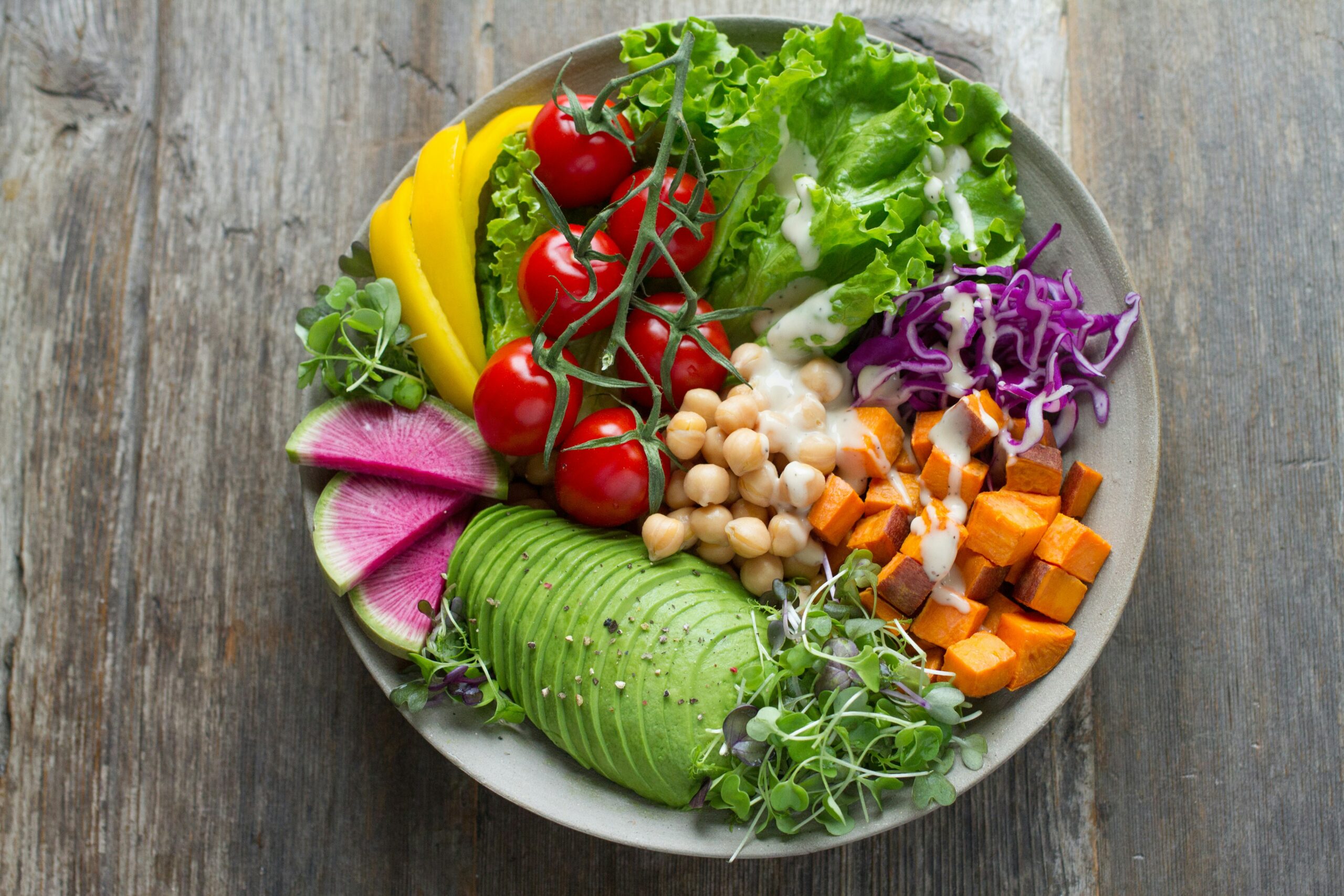
Meanwhile, these foods help reduce inflammation:
- Leafy greens
- Fatty fish (salmon, sardines)
- Berries
- Olive oil
- Nuts and seeds
- Spices like turmeric and ginger
The Good News: You Can Turn Inflammation Around
The amazing part? You’re not stuck with chronic inflammation.
Small changes to your food, sleep, stress, and movement habits can help your body heal and reset.
This is the heart of the anti-inflammatory lifestyle: working with your body, not against it.